El's Interiors
The aim is to design spaces that reconnect people with nature while respecting the stories embedded within existing buildings. Blending biophilic principles with adaptive reuse and heritage-led design.
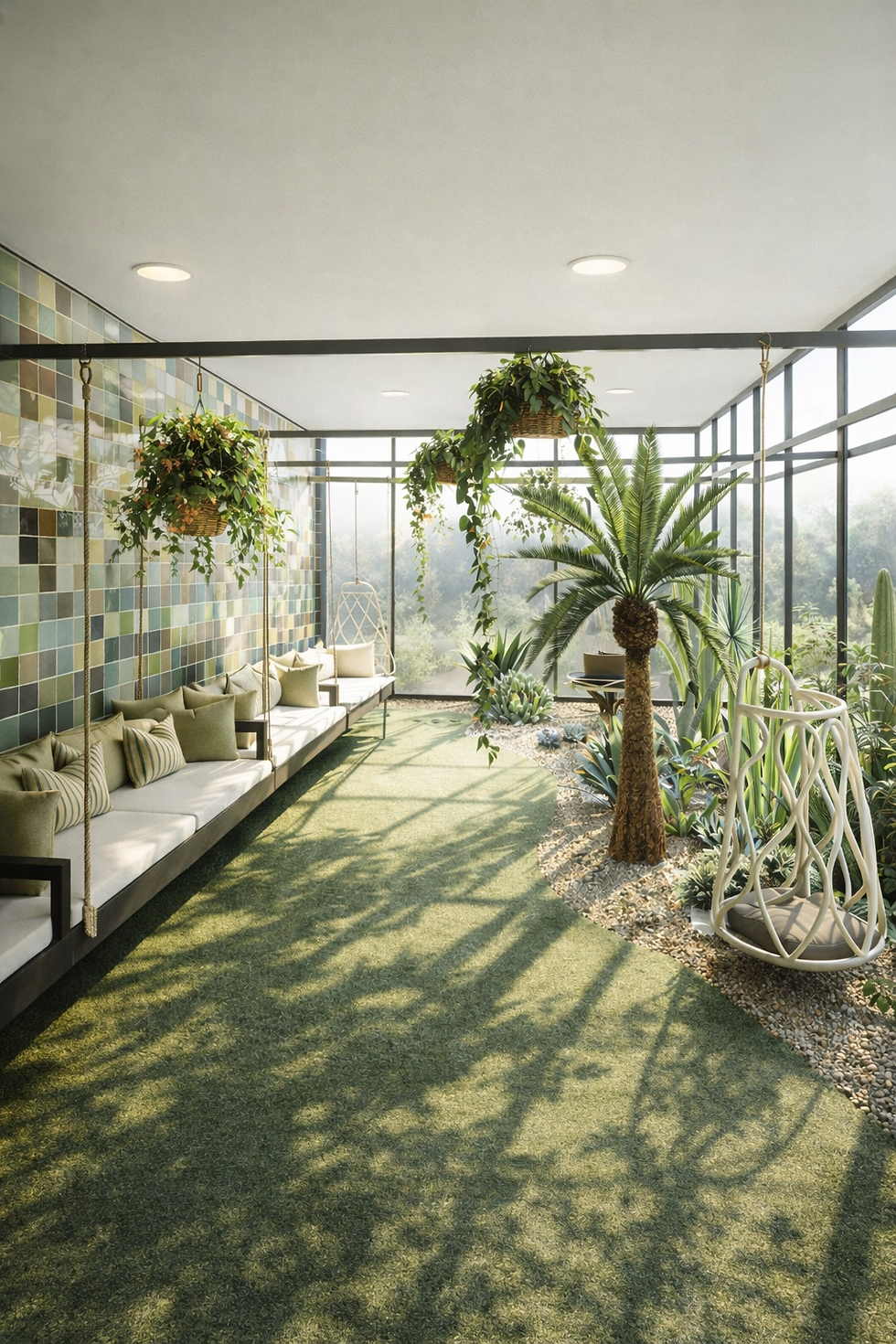
Transforming CSAD B Block into 'The Bio Box'
My Story
My journey into interior design has been shaped by a strong interest in how spaces can be adapted, restored, and reimagined while still respecting their history. I am particularly drawn to adaptive reuse and renovation, where existing buildings are given new purpose through thoughtful design that retains their character and cultural significance. I believe that interiors should not only be visually engaging, but also meaningful, sustainable, and sensitive to their context.
Currently completing my Interior Design degree at Cardiff Metropolitan University, my work explores how design can strengthen the relationship between people and their environments. I am interested in creating spaces that feel both contemporary and relevant to modern society, while still preserving the heritage and identity of existing buildings. My research considers how natural elements, material authenticity, and sensory qualities can support wellbeing and create more engaging user experiences.
I am particularly interested in transforming neglected or historic spaces into environments that support social connection, cultural exchange, and everyday wellbeing. Retaining original features, materials, and spatial qualities allows the story of a building to remain visible, creating a meaningful connection between past and present.
I am motivated by the idea that design can extend the life of existing buildings, reduce environmental impact, and create spaces that evolve with modern needs while respecting their heritage. Through careful renovation and reuse, interiors can remain relevant, functional, and valued for future generations.
Portfolio
Project Gallery
Visual Project Highlights: Year 1 - Year 3

The Tulip Tearoom & Bathhouse is an adaptive reuse project that transforms the historic Llwynypia Powerhouse in the Rhondda Valley, South Wales, into a destination for Turkish hospitality, wellness, and cultural connection. Inspired by Turkish tea culture and hammam traditions, the proposal brings together local industrial heritage and Turkish social rituals to create a place of restoration, community, and wellbeing.





Ground Floor Plan
Mezzanine Floor Plan
Basement Floor Plan



Existing Site Plan
The existing site plan shows the current condition of the Llwynypia Powerhouse, highlighting its footprint, surrounding landscape, and relationship to the wider site.
Proposed Site Plan
The proposed site plan introduces a new extension, landscaping, and parking to improve accessibility and functionality while respecting the building's historic character.
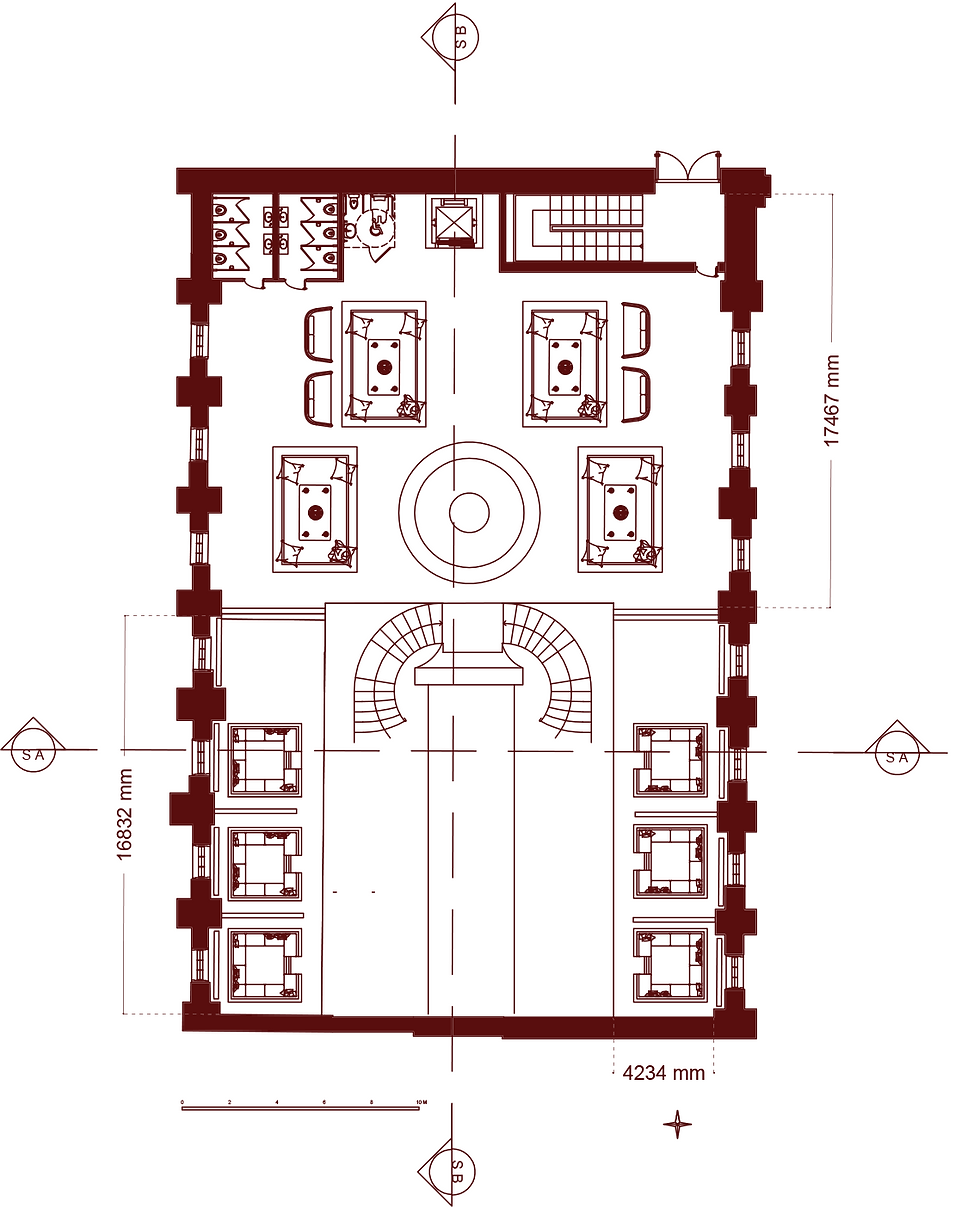
Ground Floor Plan
The ground floor contains the main tearoom, centred around a Turkish tea station that encourages social interaction and cultural connection. The space extends into a new extension with a yoga retreat and courtyard, providing areas for relaxation, wellbeing, and connection to nature.
Mezzanine Floor Plan
The mezzanine provides more private seating and dining areas, overlooking the tearoom below and creating visual connections throughout the space.
Together, the three floors create a balance between cultural identity, community, and wellbeing while celebrating the building's historic character.
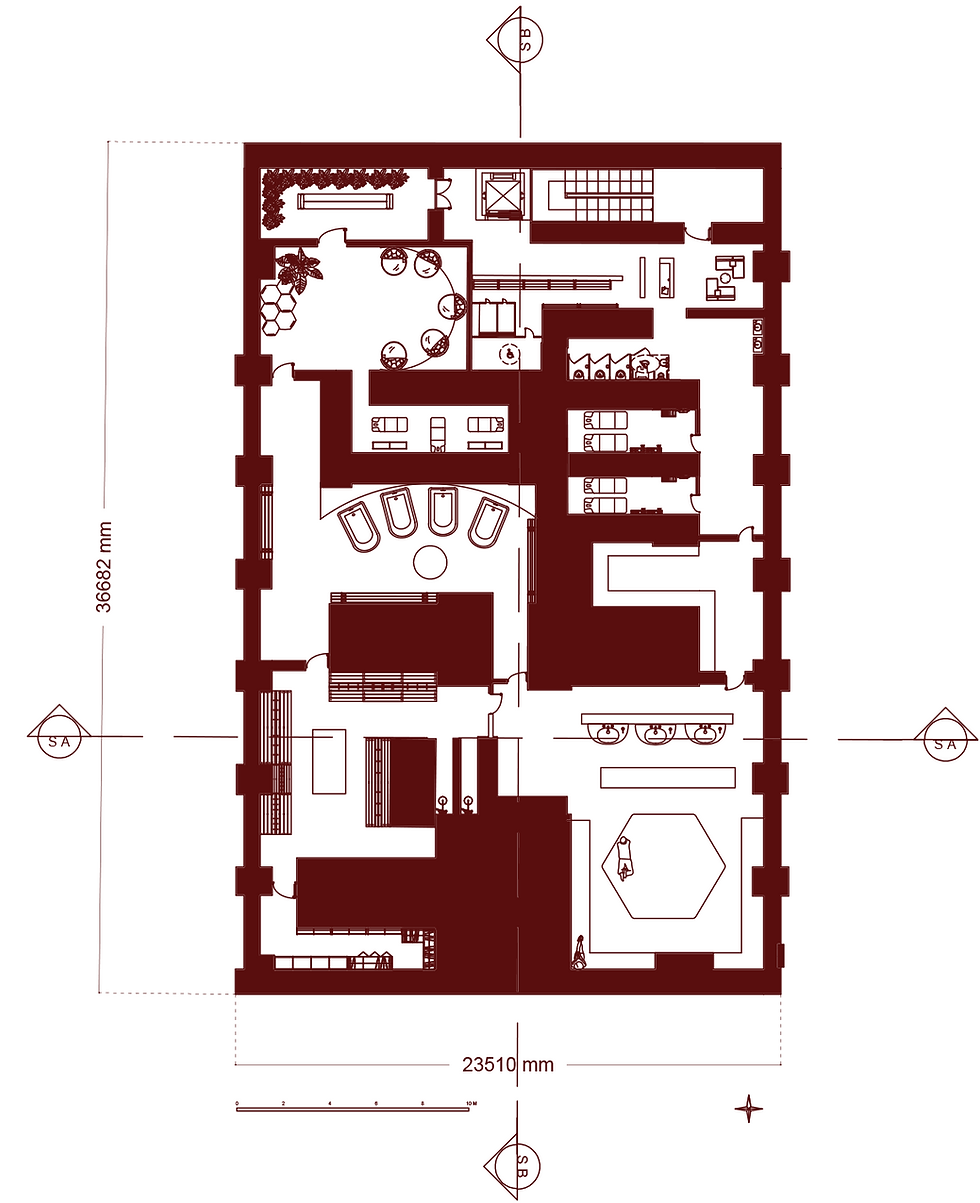
Basement Floor Plan
The basement houses the hammam-inspired wellness facilities, offering a series of spaces designed for relaxation, restoration, and wellbeing.
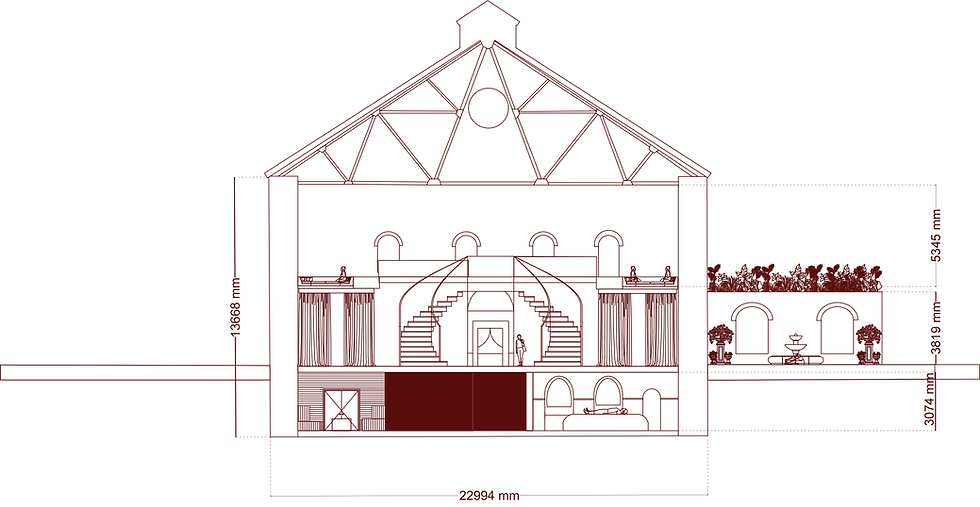
These floor plans show how The Tulip Tearoom & Bathhouse is organised across three levels, combining hospitality, wellness, and cultural experiences within the restored Llwynypia Powerhouse.
Spatial Arrangment
A structured layout creates a natural flow between social, quiet, and transitional spaces, defining distinct zones without division and emphasising key features like the tea stand.

Enhancing Natural Lighting
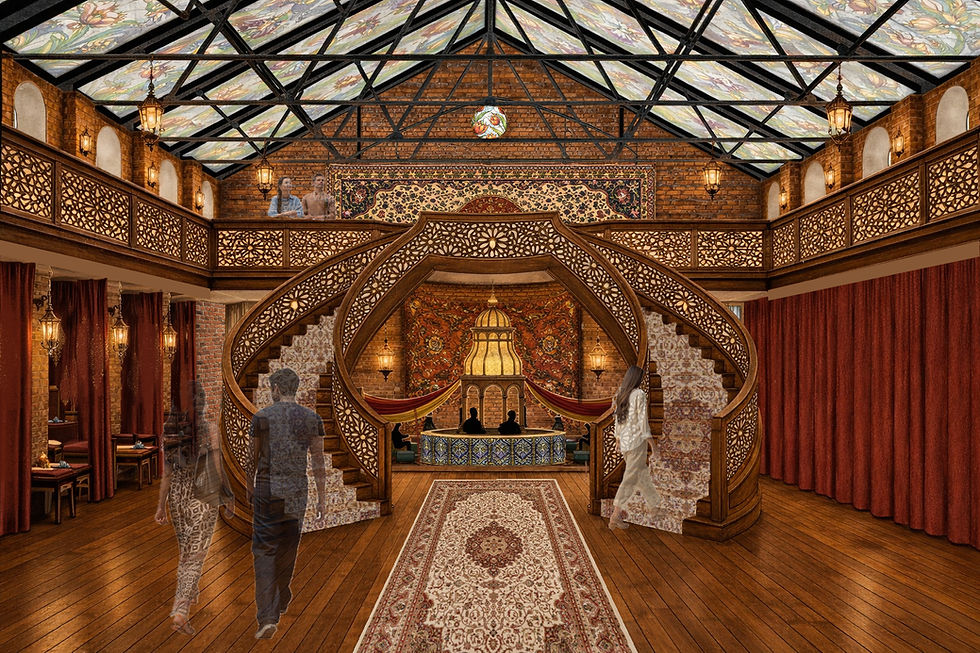
Glazed roof elements fill the space with natural light and soft patterned shadows, creating a welcoming and restorative environment while strengthening the connection between culture, ritual, and wellbeing.

Biodiverse Roofscape
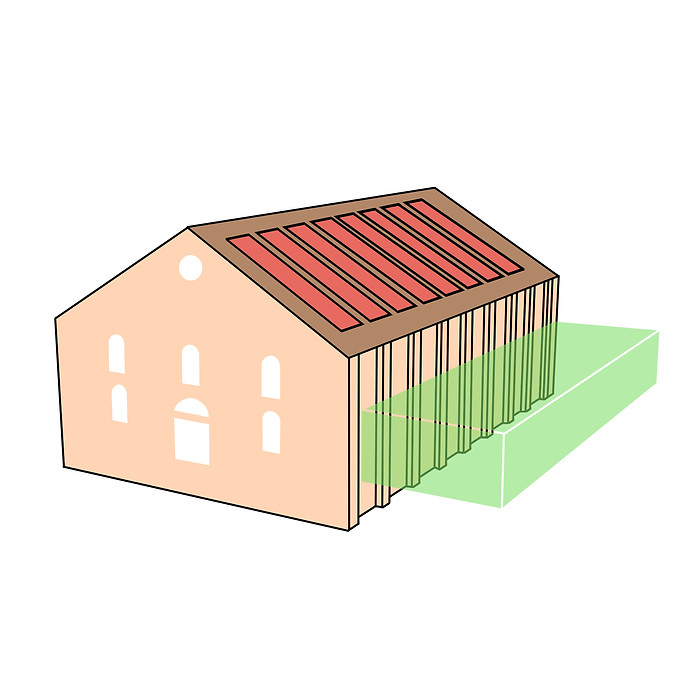
A biodiverse green roof supports biodiversity, improves sustainability, and strengthens the connection between nature and wellbeing, while providing changing natural textures that evolve throughout the seasons.

Extending the Spatial Narrative
Extending the existing structure enhances usability and circulation, creating opportunities for new functions while balancing contemporary design with the building's historic heritage.
Thermal Ritual Journey
A sequential layout guides users through a mindful experience, using gradual changes in temperature, light, and atmosphere to enhance wellbeing and reflect traditional bathing culture.

Adding a Bespoke Design Element
Bespoke tulip wallpaper strengthens the identity of the space while celebrating Turkish culture. Defining the seating pods, it creates an intimate atmosphere and reinforces the balance between tradition and contemporary design.

Turkish Inspired Central Tea-Stand
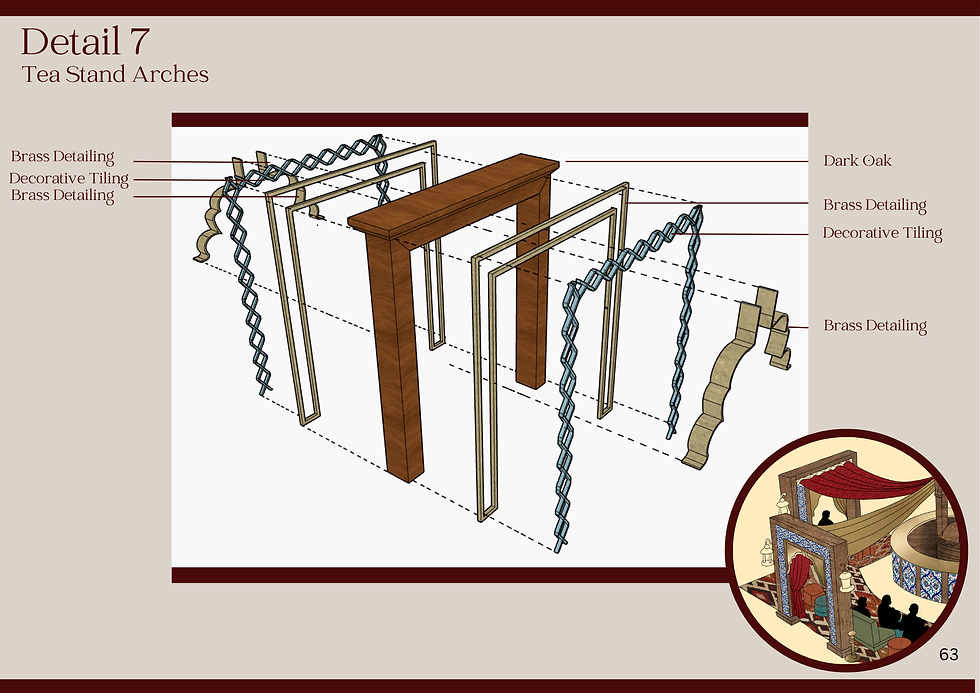
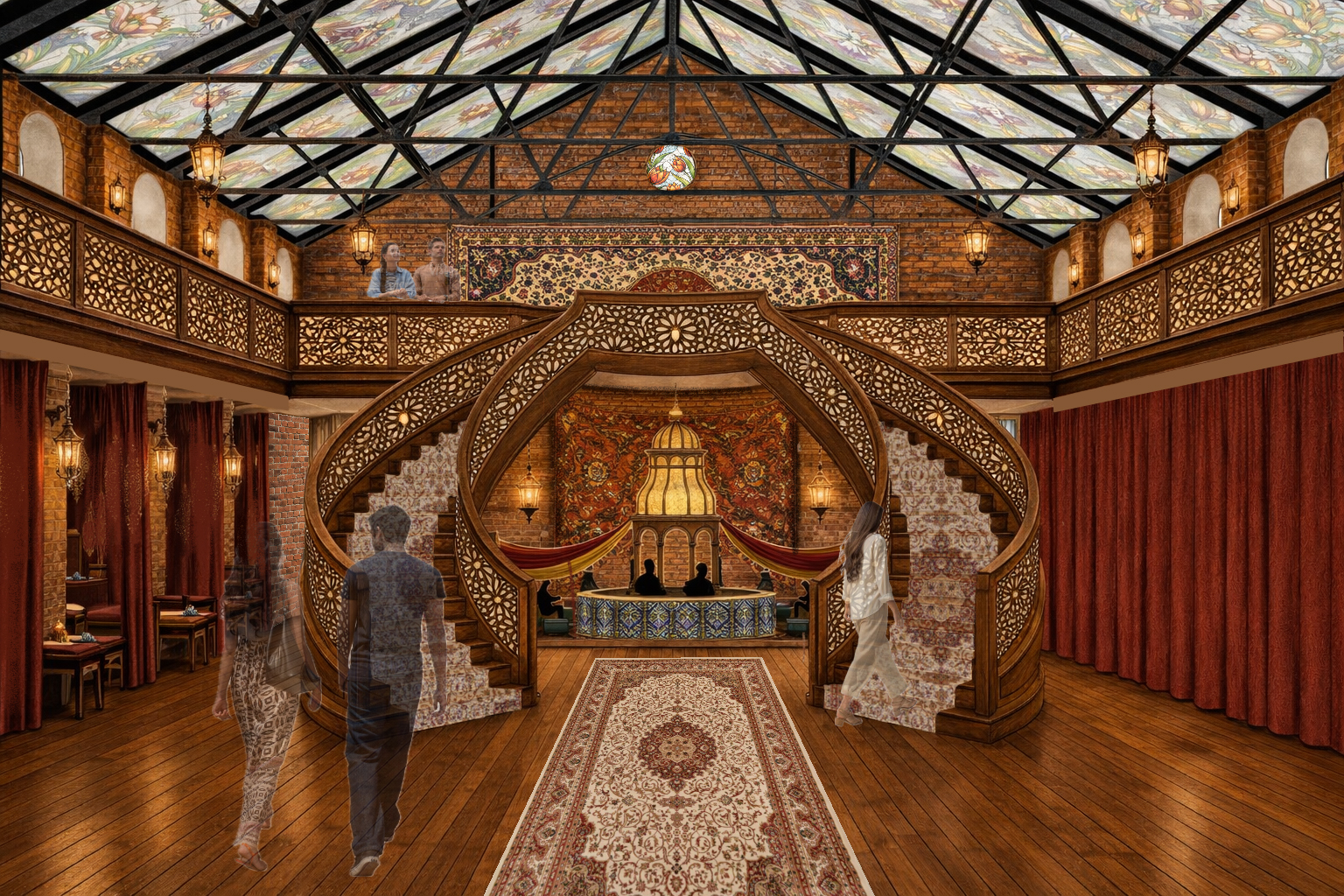
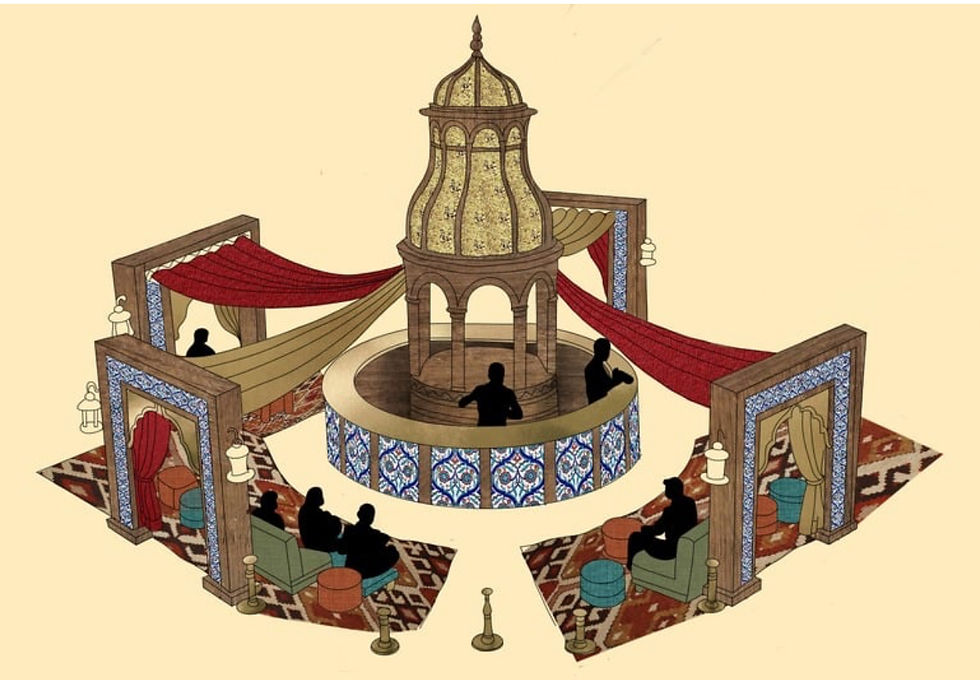
Inspired by Ottoman pavilion architecture, the central tea station serves as a cultural focal point that encourages social interaction and shared rituals, while its rich material palette enhances the space's sense of restoration and connection.
Circulation & Social Interaction
A double staircase does more than provide circulation; it connects levels, improves movement, and frames the central tea stand while creating a sense of openness and encouraging exploration of the mezzanine.

Key Moves
Detailing
Floor Plans
Sections
The Site
year 3 - 'Tulip Tearoom & Bathhouse'
Explore the Project Highlights
year 3 - 'Tulip Tearoom & Bathhouse'
Explore the Full Project
Year 3 - 'Tulip Tearoom & Bathhouse'
Explore the Project Highlights
Gallery
Take a Closer Look

.jpeg)

Intimate Tea Pod
Tea Room
Main Hammam


Couples Ritual Retreat
Relaxation Lounge
Yoga Retreat
Cool-Down Area
Courtyard
.png)
Majlis Seating
.png)
Contact Me:
elsinteriors@hotmail.com
Phone Number
+44 7428626276
Location
Cardiff
Connect via Socials