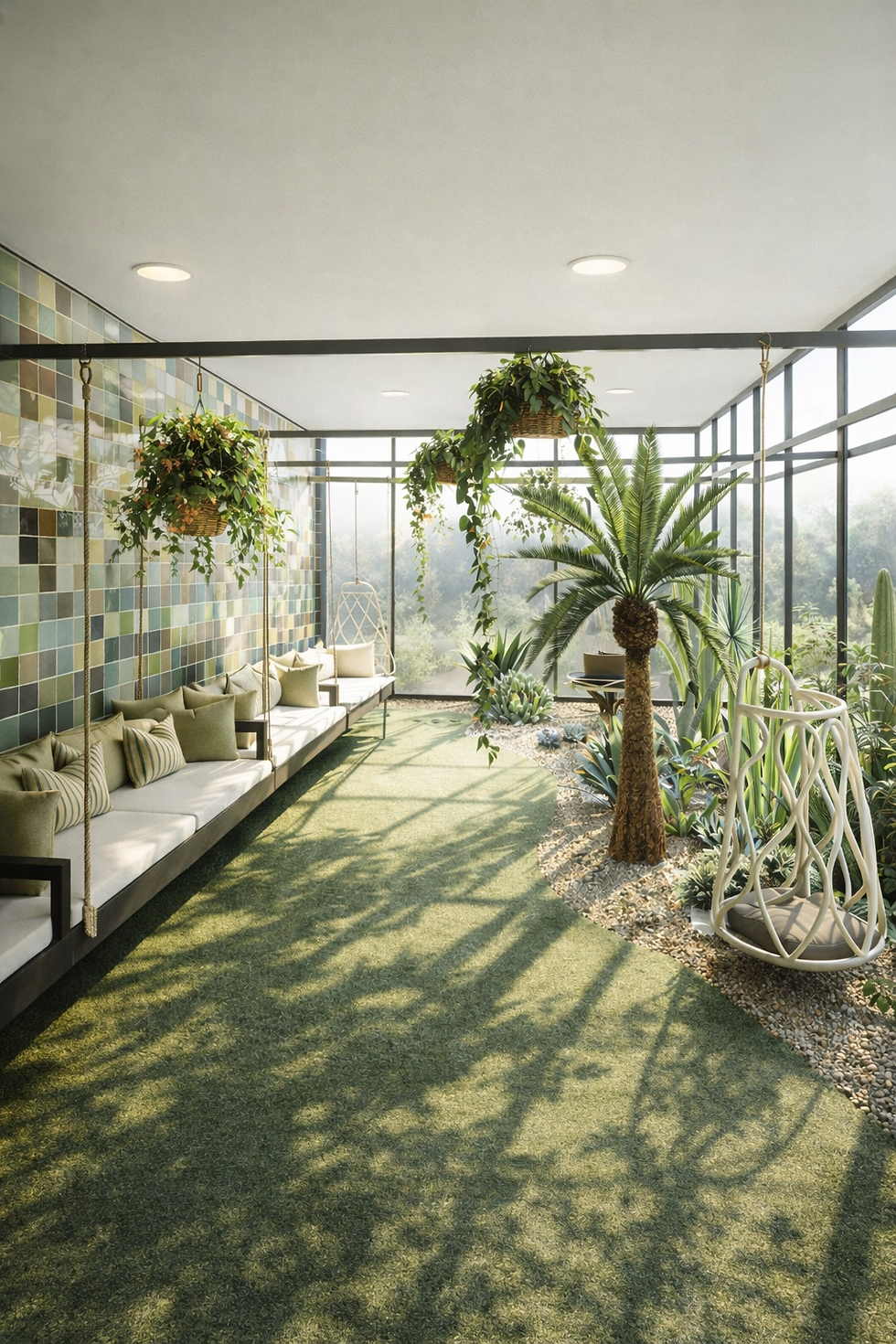
Transform Your Space: Professional Interior Design Tips
- elsinteriors1
- Apr 17
- 4 min read
Creating a beautiful and functional space is not just about aesthetics; it’s about crafting an environment that reflects your personality and meets your needs. Whether you are redesigning a single room or an entire home, professional interior design tips can help you transform your space into a sanctuary. In this post, we will explore essential strategies, practical advice, and creative ideas to elevate your interior design game.

Understanding Your Space
Assess Your Needs
Before diving into design, take a moment to assess your needs. Consider the following questions:
What is the primary function of the space? Is it for relaxation, work, or entertaining?
Who will use the space? Are there children, pets, or frequent guests?
What is your style preference? Do you lean towards modern, traditional, or eclectic designs?
Understanding these factors will guide your design choices and ensure that the space serves its intended purpose.
Measure Your Space
Accurate measurements are crucial for effective design. Use a tape measure to determine the dimensions of the room, including:
Length and width of walls
Height of ceilings
Locations of doors and windows
Creating a floor plan can help visualize how furniture and decor will fit within the space.
Choosing a Color Palette
The Power of Color
Color can dramatically influence the mood and perception of a room. Here are some tips for selecting a color palette:
Start with a neutral base. Whites, grays, and beiges provide a versatile backdrop for any decor.
Add accent colors. Choose two or three accent colors to create visual interest. Consider using the 60-30-10 rule: 60% of the room in a dominant color, 30% in a secondary color, and 10% in an accent color.
Consider the psychology of colors. For example, blue promotes calmness, while yellow can energize a space.
Testing Colors
Before committing to a color, test samples on your walls. Observe how the colors change throughout the day with different lighting conditions.
Furniture Selection
Choosing the Right Pieces
Selecting the right furniture is essential for both functionality and style. Keep these tips in mind:
Scale and proportion matter. Choose furniture that fits the size of your room. Oversized pieces can overwhelm a small space, while tiny furniture can feel lost in a large room.
Invest in quality. Durable, high-quality furniture may cost more upfront but will save you money in the long run.
Mix and match styles. Combining different styles can create a unique and personalized look. For example, pair a modern sofa with vintage accent chairs.
Arranging Furniture
The arrangement of furniture can significantly impact the flow of a room. Consider these strategies:
Create conversation areas. Arrange seating to encourage interaction, such as placing chairs and sofas facing each other.
Leave space for movement. Ensure there is enough room to walk comfortably between furniture pieces.
Use area rugs. Rugs can define spaces and add warmth. Choose a size that fits your seating arrangement.
Lighting Design
Importance of Lighting
Lighting plays a crucial role in interior design. It can enhance the mood, highlight architectural features, and improve functionality. Here are some key points to consider:
Layer your lighting. Use a combination of ambient, task, and accent lighting to create a well-lit space.
Choose fixtures that fit your style. From chandeliers to floor lamps, select lighting that complements your overall design.
Consider natural light. Maximize natural light by using sheer curtains or strategically placing mirrors to reflect light.
Smart Lighting Solutions
Incorporating smart lighting solutions can enhance convenience and efficiency. Consider using dimmers, smart bulbs, or automated systems to control lighting based on your needs.
Accessorizing Your Space
The Finishing Touches
Accessories are the final elements that bring a room together. Here are some ideas for accessorizing effectively:
Incorporate art. Artwork can add personality and color to your space. Choose pieces that resonate with you and fit your style.
Use plants. Indoor plants can improve air quality and add a touch of nature. Consider low-maintenance options like succulents or snake plants.
Layer textiles. Use throw pillows, blankets, and rugs to add texture and warmth to your space.
Personalizing Your Decor
Personal touches make a space feel like home. Display family photos, travel souvenirs, or handmade items to create a unique atmosphere.
Creating Functional Spaces
Multi-Functional Rooms
In today’s world, many homes serve multiple purposes. Here are tips for creating functional spaces:
Use furniture that serves multiple functions. Consider a sofa bed for a guest room or a coffee table with storage.
Designate areas for specific activities. Use rugs or furniture placement to define different zones within a room.
Keep it organized. Use storage solutions like baskets, shelves, and cabinets to keep clutter at bay.
Home Office Design
With remote work becoming more common, creating a productive home office is essential. Consider these tips:
Choose a quiet location. Find a space away from distractions.
Invest in ergonomic furniture. A comfortable chair and desk can improve productivity and reduce strain.
Incorporate inspiring decor. Personalize your office with motivational quotes or artwork that inspires creativity.
Sustainability in Interior Design
Eco-Friendly Choices
Sustainable design is becoming increasingly important. Here are ways to make eco-friendly choices:
Choose sustainable materials. Look for furniture made from reclaimed wood or recycled materials.
Opt for energy-efficient lighting. LED bulbs consume less energy and last longer than traditional bulbs.
Incorporate natural elements. Use organic fabrics and non-toxic paints to create a healthier environment.
Supporting Local Artisans
Consider supporting local artisans and businesses when sourcing furniture and decor. This not only promotes sustainability but also adds a unique touch to your space.
Conclusion
Transforming your space into a beautiful and functional environment requires thoughtful planning and creativity. By understanding your needs, selecting the right colors and furniture, and incorporating personal touches, you can create a home that reflects your style and enhances your lifestyle. Remember, interior design is not just about aesthetics; it’s about creating a space where you feel comfortable and inspired. Start your journey today and enjoy the process of making your space uniquely yours.


Comments